0

February 23, 2026
Accounting’s “Untalked-About” Frontier | ARC
By: Center For Accounting Transformation / article
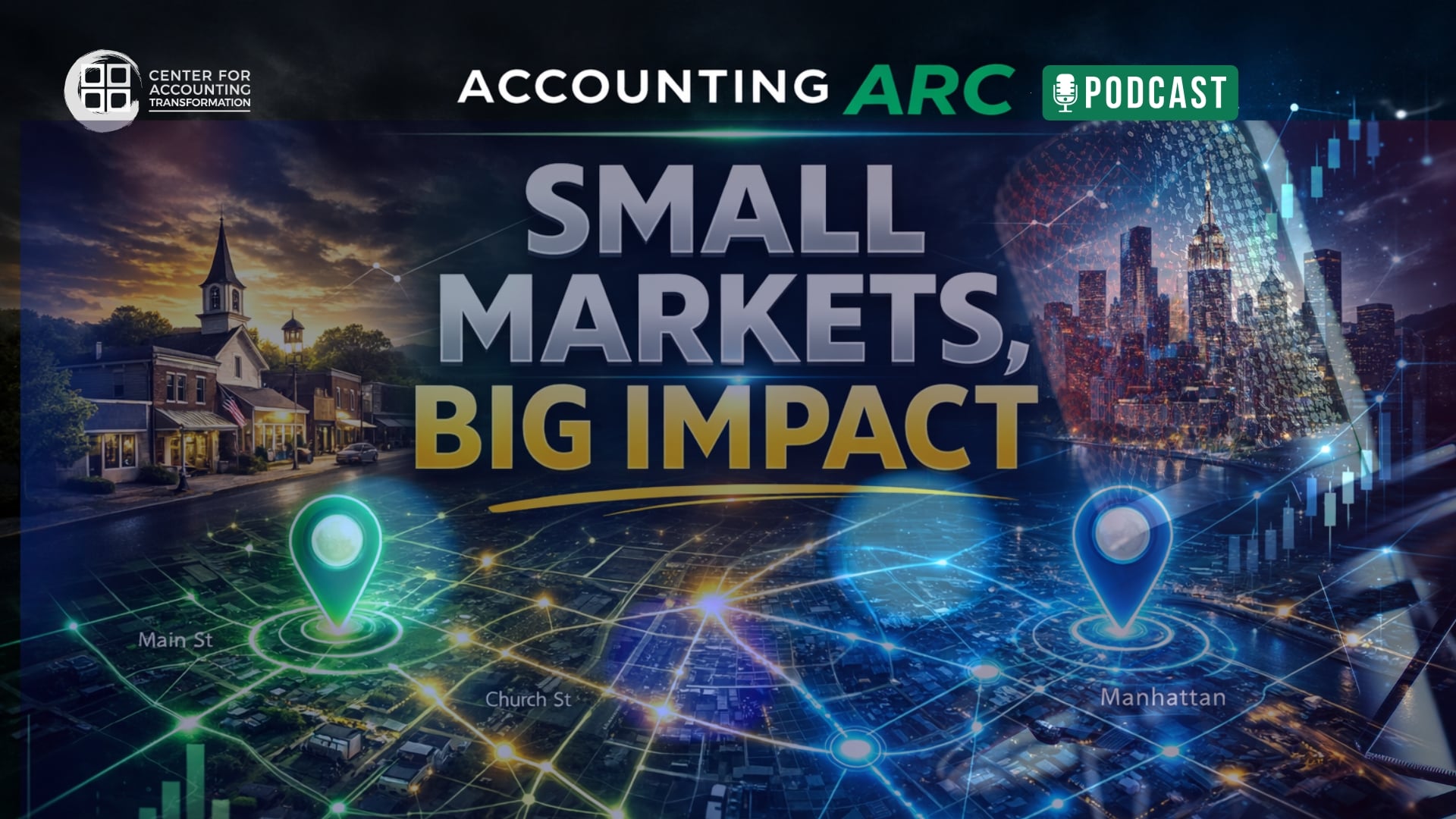
Rural communities offer meaningful work — and a chance to build a practice on purpose.
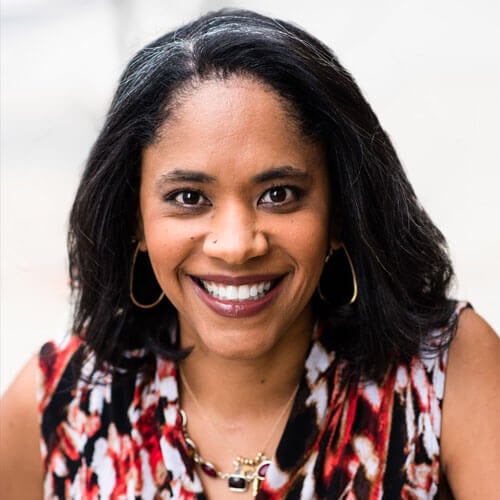
In an era when private equity rollups and “bigger is better” narratives dominate accounting headlines, Donny Shimamoto, CPA.CITP, CGMA, returns to a quieter question: What does it look like to build a firm — and a career — around serving the places that rarely get the spotlight?
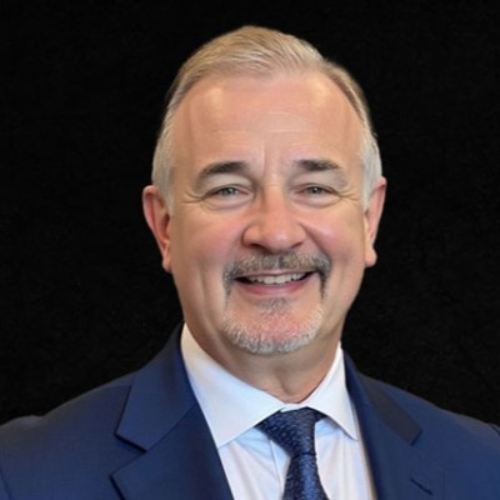
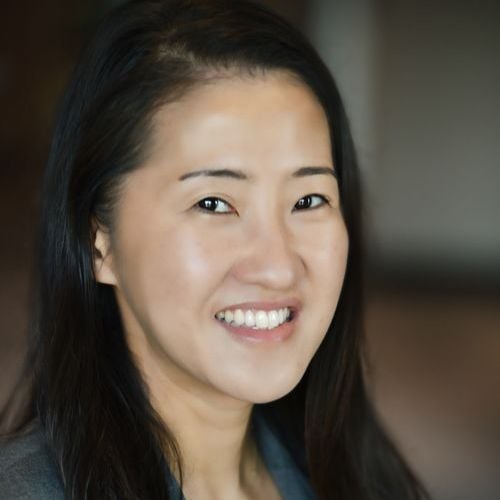
In this episode of Accounting ARC, Shimamoto sits down with two practitioners who live that reality every day: Shayna Chapman, who runs a practice rooted in a small Ohio community, and Mohan Chirumamilla, who serves clients across Omaha, Nebraska, and Columbia, Missouri. Their conversation is part practical playbook, part gut-check — and it lands on a message that feels increasingly urgent for the profession: small towns still need sophisticated accounting, and accountants still need work that feels meaningful.
Shimamoto, founder and managing director of IntrapriseTechKnowlogies LLC and founder and inspiration architect for the Center for Accounting Transformation, opens with something many professionals quietly experience: the pull back to community. After 10 years on the mainland, he has moved back to Hawaii and finds himself reconnected — not only to people, but to purpose. In a smaller city, the “Is there meaningful work here?” question becomes personal. For him, the answer is yes — and he suspects he is not alone.
That hunch is what brings Chapman and Chirumamilla into the conversation. Both describe a version of the same pivot: stepping away from work that felt like motion without meaning, and into work where the impact is visible and local.
Chirumamilla, who spent almost two decades in corporate roles spanning cybersecurity, accounting and financial reporting, puts it bluntly: he started to feel like “a cog in the wheel.” The paycheck is fine, but the purpose for him was thin. So, he made a move many would consider “backward” on a résumé — becoming a firm owner and doing the foundational work of small business accounting again. The difference, he says, is that now he can see the effect of his work on real people, in real time.
Serving rural and small-town clients is not simply “the same work, just in a smaller ZIP code.” The episode digs into the friction points that show up quickly: technology gaps, limited local talent pipelines, and client expectations shaped by decades of “how the old firm used to do it.”
Chirumamilla describes the demographic realities head-on. Some clients are senior citizens who are not comfortable with technology. Some are limited by accessibility needs. Some are dealing with real constraints — poor internet coverage, inconsistent cell service, and a lifelong preference for in-person interaction. Going “all virtual” is not always a customer experience upgrade; it can be a wall.
That’s why he built a hybrid model. Clients can still come into a familiar office environment and engage in the relationship-heavy, across-the-table way they trust. Behind the scenes, he uses modern tools, workflows and procedures that make the work scalable and sustainable. The point is not to drag clients into the cloud. The point is to keep the relationship human while modernizing the engine that powers the work.
Chapman, founder and CEO of Shaynaco LLC, recognizes the same truth — people like touch — but she has chosen a different strategy: set firm boundaries and build a client base that will work her way. In her practice, the tech requirements are non-negotiable: email communication, Microsoft Teams, electronic engagement letters, electronic payments, and pricing set upfront rather than hourly billing. That’s a big shift from “traditional firms,” and she frames it as a choice she earns over time by building a firm strong enough to curate its client list.
And she emphasizes something many assume is impossible: even in a town of about 3,500 people, she still finds clients who can work within those expectations — even when not everyone has reliable internet.
The staffing squeeze and the “choose-your-own-path” firm model
Both guests land on the talent issue fast. If you expect to hire locally in a small geographic area, the odds of finding enough talent — especially during crunch seasons — are not great. Rather than an abstract pipeline problem, it is an operational reality that determines whether firms can keep their doors open for the communities that depend on them.
Chapman’s approach is to design her firm around flexibility for her team: parents who need to leave for a soccer game, leaders who are out at client sites, and staff who cannot be “desk-strapped” from 8 a.m. to 5 p.m. Serving a community well, in her view, requires building a work model that keeps good people.
Chirumamilla brings a second pressure point into view: M&A. If you acquire a practice, you inherit its clients and its legacy ways of working — and you may not have the financial runway to simply cut loose everyone who won’t adapt. That tension shapes why his model leans hybrid and why he is careful about transitions.
What emerges is a shared belief that there is no single “right” way to serve small towns — only the way you can sustain, and the way your clients will trust. As Chapman puts it, the beauty is that you can choose your path.

Don’t miss an episode. Be sure to SUBSCRIBE below: