0

April 22, 2026
The Caregiving Reality Facing Today’s Accounting Professionals
By: Center For Accounting Transformation / article

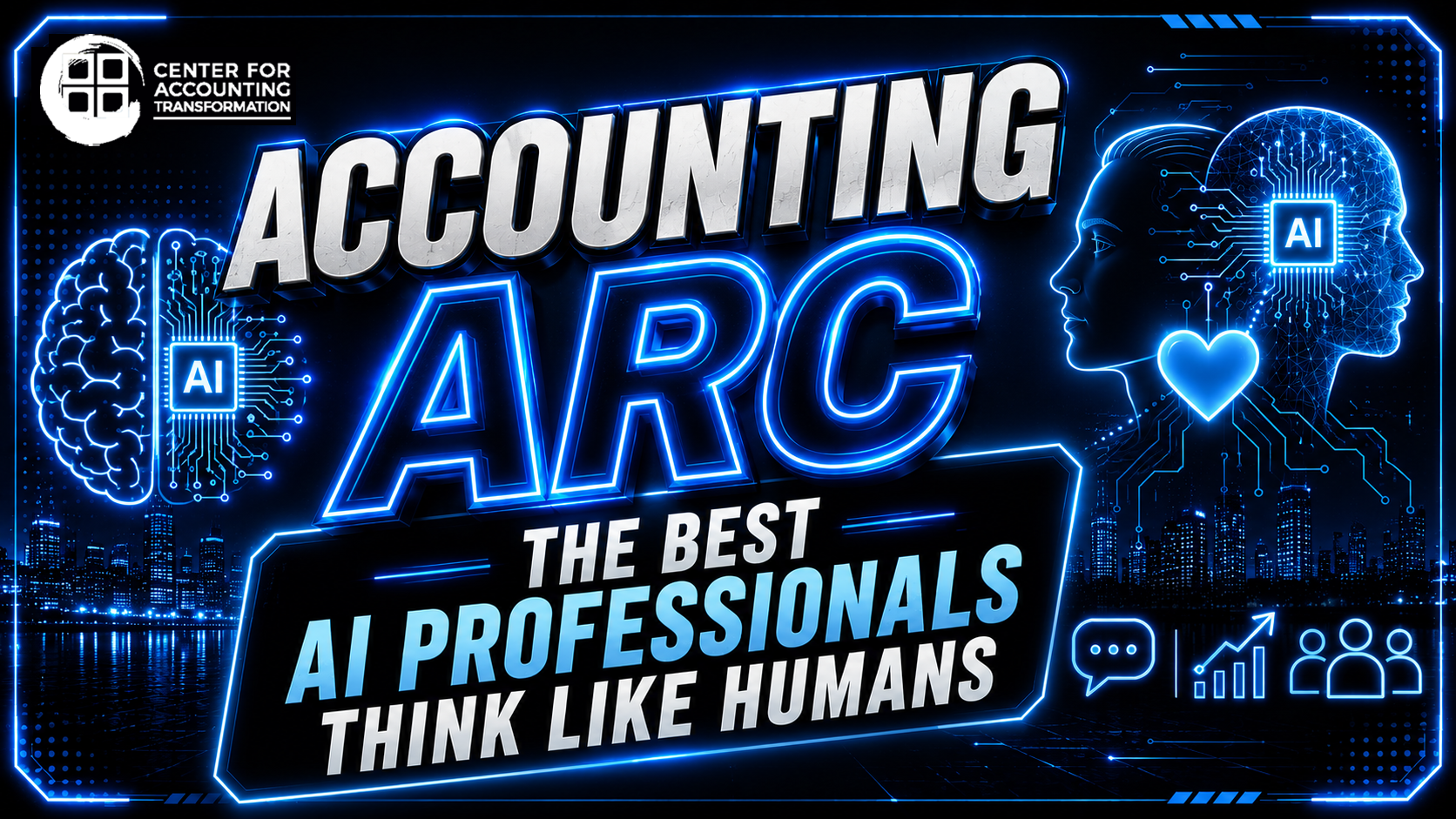
ARC hosts explore how the MOVE Project is addressing workforce challenges across all career paths.
The accounting profession is confronting a growing reality that cuts across roles, industries, and career paths: more professionals are balancing demanding careers with caregiving responsibilities. In a recent episode of Accounting ARC, Donny Shimamoto, CPA.CITP, CGMA; Byron Patrick, CPA.CITP; and Liz Mason, CPA, explore how the profession — from public accounting firms to corporate finance teams, government agencies, nonprofits, and academia — can better understand and support the “sandwich generation” and other caregivers.
The conversation is tied to the 2026 Accounting MOVE Project, which is expanding its scope to more fully examine how caregiving responsibilities affect career sustainability, advancement, and retention across the entire accounting ecosystem.
It is about ensuring that accounting careers remain viable — and fulfilling — for professionals at every stage of life and across every path in the profession.
A profession-wide challenge, not a niche issue
Caregiving is no longer limited to a small segment of the workforce. Across industries, professionals are managing responsibilities that extend far beyond their roles — caring for children, supporting aging parents, or both. In accounting, those pressures are amplified by deadlines, reporting cycles, regulatory demands, and leadership expectations that often leave little room for flexibility. Corporate finance professionals face quarter-end and year-end pressures. Government and nonprofit accountants navigate funding cycles and compliance requirements. Educators balance teaching, research, and student support — often while managing similar personal responsibilities.
The result is a shared, profession-wide tension: how to sustain a career in accounting while also meeting caregiving demands.
From individual burden to workforce strategy
The Accounting ARC hosts emphasize a critical shift in perspective. Caregiving should not be viewed as an individual issue for professionals to manage privately. It is a workforce reality that affects retention, engagement, and long-term talent pipelines across all sectors of the profession. Shimamoto, founder and managing director for IntrapriseTechKnowlogies LLC and founder and inspiration architect for the Center for Accounting Transformation, frames this as both a human and strategic imperative. Organizations that recognize and respond to caregiving realities are more likely to retain experienced professionals and maintain institutional knowledge. Those who do not risk losing talent at a time when the profession is already facing pipeline challenges.
The MOVE Project aims to bring structure to this conversation by collecting data that reflects these lived experiences — not just within firms, but across all areas where accounting professionals work.
Rethinking support across different career paths
Support for caregivers will not look the same in every setting. In public accounting, flexibility may center on workload distribution during peak seasons. In corporate environments, it may involve rethinking expectations around availability during close cycles. Government and nonprofit roles may require different approaches tied to funding and staffing constraints. Educational institutions face their own challenges in balancing academic calendars and student needs. Despite these differences, the hosts point to a common thread: the need to move beyond surface-level accommodations toward intentional, sustainable support systems.
That includes flexible work arrangements, but also extends to how performance is measured, how careers progress, and how openly professionals can discuss their needs. Mason, CEO of High Rock Accounting, notes that caregiving often develops skills that organizations value — including adaptability, empathy, and time management. The question is whether existing structures allow those professionals to continue contributing at a high level.
A key goal of the 2026 MOVE Project is to provide data that helps organizations make informed decisions. To support that effort, the Center for Accounting Transformation encourages listeners to visit help.improvetheworld.net/caregiving for resources and engagement opportunities.
Culture and leadership are deciding factors
Across sectors, one theme remains consistent: culture determines whether support systems succeed. Policies alone are not enough. Professionals must feel supported in using them without fear of stigma or career impact. For caregivers, that often comes down to leadership behavior, communication, and trust.
Patrick, senior product manager for Karbon and co-founder and educator for TB Academy, emphasizes that organizations that proactively design flexibility into their workflows — rather than reacting to individual requests — are better positioned to adapt to changing workforce expectations. This approach not only supports caregivers but also creates more resilient and adaptable organizations overall.
Expanding the definition of a sustainable career
The conversation also raises broader questions about how the profession defines success. Traditional models of career progression — often built around linear advancement and constant availability — may not reflect the realities of today’s workforce. The MOVE Project’s expanded focus invites organizations to reconsider those models and explore more flexible, outcomes-based approaches that can accommodate a wider range of life circumstances. Such changes could benefit not only caregivers, but the profession as a whole — helping to attract and retain diverse talent across all sectors.
A call to engage across the profession
As the 2026 MOVE Project gets underway, the Accounting ARC hosts encourage participation from across the accounting landscape. Firms, corporate finance teams, government agencies, nonprofits, and educators all have a role to play in shaping a more sustainable future.
“Our mission is to foster dialogue and challenge norms,” Shimamoto says — a goal that takes on added significance as the profession works to better understand and support its people. The conversation around caregiving is ultimately about more than workplace policies. It is about ensuring that accounting careers remain viable — and fulfilling — for professionals at every stage of life and across every path in the profession.
 Listen to the full episode
Don’t miss an episode. Be sure to SUBSCRIBE below: